
English| EUR
Suggested for you
More currencies
Choose a language
La Jolla Cove draws thousands of snorkelers each year to its protected marine reserve, but the same features that concentrate wildlife also create hazards most first-time visitors underestimate. This guide walks through the real risks—surge channels, territorial sea lions, submerged rocks, and seasonal surf—and the specific conditions that separate a safe outing from a dangerous one.
Quick answer
Yes, snorkeling at La Jolla Cove is generally safe for swimmers with basic ocean experience, but the site demands respect for several hazards. The rocky entry requires careful footing, sea lions can become aggressive during pupping season (May through July), and surge near the cave walls has pulled snorkelers into submerged rock faces. Calm mornings between November and April offer the safest conditions, with visibility above fifteen feet and minimal swell.
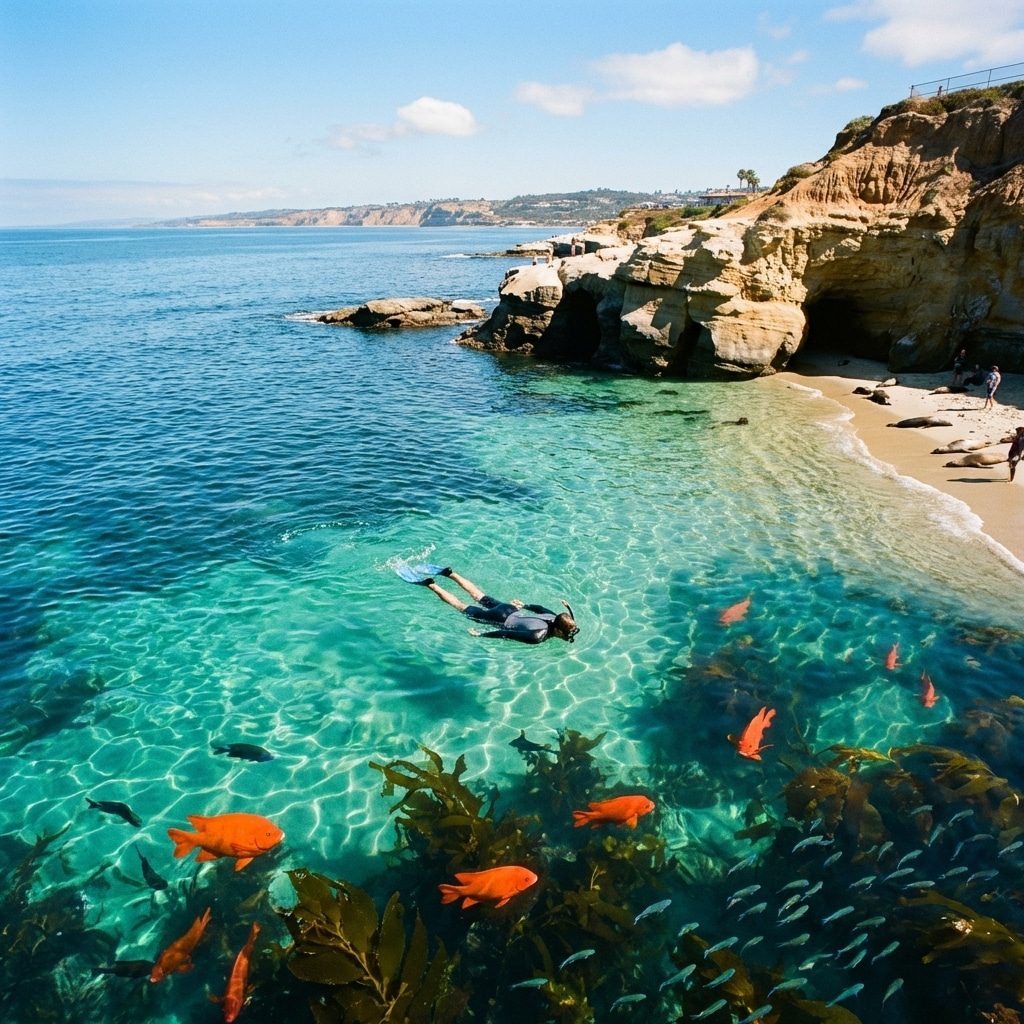
La Jolla Cove sits inside the San Diego-La Jolla Underwater Park, a 6,000-acre ecological reserve where fishing is prohibited and marine life thrives in unusual density. That protection has made the Cove one of the most accessible places in California to snorkel alongside leopard sharks, bat rays, and Garibaldi, but it has also concentrated a permanent population of California sea lions whose behavior shifts dramatically depending on the season. The question of whether is it safe to snorkel in La Jolla Cove depends less on the marine reserve itself than on three variables: the phase of the sea lion breeding cycle, the size of the southern swell, and the swimmer's ability to read surge. From May through July, female sea lions give birth on the beaches flanking the Cove, and males patrol the shallows aggressively. Lifeguards report a sharp increase in sea lion encounters during this window, most involving animals charging at snorkelers who drift too close to the rocky shelves where pups rest. Outside pupping season, sea lions remain curious but rarely confrontational, often circling swimmers without making contact. Surge presents the less obvious danger. The Cove's eastern wall is honeycombed with sea caves that funnel wave energy into narrow channels, creating hydraulic pulses strong enough to pin a swimmer against barnacle-covered rock even on days when the surface looks calm. Lifeguard logs show that most rescues occur not during high surf advisories but on moderate swell days when visitors misjudge the pull near the cave mouths. The safest snorkel route follows the western kelp line, staying thirty feet offshore and avoiding the temptation to explore the caves without a guide. Entry and exit require attention. The Cove has no sandy beach—snorkelers descend a concrete stairway and wade over cobbles slick with algae. Timing your entry between sets is critical; a surprise wave on the rocks has ended more than one outing before it began. Mornings before eleven see the lightest surf, the clearest water, and the smallest crowds. Visibility drops throughout the day as sediment stirs and swimmer traffic increases. By afternoon, the same site that offered twenty-foot clarity at dawn can shrink to less than eight feet, making navigation and hazard recognition significantly harder.
“The Cove's eastern wall is honeycombed with sea caves that funnel wave energy into narrow channels, creating hydraulic pulses strong enough to pin a swimmer against rock even on calm days.”
The best arrival window is 06:00–11:00, as morning hours provide the calmest water and highest visibility. Snorkeling during this period minimizes exposure to afternoon winds and rising tide currents, which can decrease water clarity and increase difficulty for swimmers.
Water temperatures 68–72°F
Warmest water temperatures of the year. Visibility is generally good, though peak visitor numbers may increase congestion at the entry points.
Water temperatures 65–70°F
Lower visitor numbers often coincide with calm, clear water conditions. This period is favored by those seeking fewer people on the beach.
Water temperatures 60–65°F
Water can be cooler and visibility fluctuates due to plankton blooms. Morning remains the most stable time to enter the water.
—
Arriving during these times offers the most predictable ocean conditions. Consistent calm water makes navigation easier for snorkelers.
Verdict: The optimal time to snorkel is any weekday between 06:00 and 11:00 during the months of September or October.
La Jolla Cove offers relatively safe snorkeling conditions, but several misjudgments can escalate risk. Recognizing these errors helps you stay secure in the water.
Ignoring surge and current strength near the cliffs
The cove's rocky edges amplify wave action and create unpredictable currents that can push you into submerged rocks. Stay at least 20 feet from cliff faces and swim parallel to shore in the center zone.
Entering during afternoon wind or swell pickup
Mornings before 11:00 offer the calmest conditions; afternoon wind chop reduces visibility and increases effort. Check the surf forecast and plan your session for early hours when the ocean is glassy.
Swimming alone without a buddy or flotation
Solo snorkeling removes your safety net if you cramp, tire, or encounter a problem. Always snorkel with a partner and consider wearing a brightly colored inflatable safety buoy.
Touching or chasing protected marine life like seals
Seals and sea lions are federally protected and can bite when cornered or startled. Maintain a minimum 50-foot distance and let animals approach you on their terms.
Underestimating cold water and skipping thermal protection
Even in summer, Pacific water sits between 60-68°F and causes rapid heat loss. Wear at least a 3mm wetsuit to prevent hypothermia and extend your comfortable time in the water.
Failing to check tide schedules before entry
Low tide exposes sharp rocks and kelp beds that obstruct safe passage, while high tide can create stronger currents near the entry stairs. Consult a tide chart and aim for mid to high tide windows for easier access and safer swimming.
La Jolla Cove sits within a protected marine reserve with strict rules governing wildlife interaction and visitor conduct. Violating these regulations carries fines and threatens the ecosystem that makes snorkeling here worthwhile.
La Jolla Cove is located at 1100 Coast Blvd, La Jolla, CA 92037. The most direct approach involves navigating the coastal roads to reach the primary access points along the park perimeter.
Follow I-5 to La Jolla Village Dr and head west toward Coast Blvd
San Diego MTS Route 30 to La Jolla Blvd and Pearl St
Accessible via the sidewalk path along Coast Blvd
Parking near the Cove is limited; arrive between 06:00–11:00 to secure a spot and enjoy the calmest water. Use caution when descending the concrete stairs to the beach, as the transition from the walkway to the sand can be slippery.
Pack the right gear and check conditions before you enter the water.
Everything you need to know about is it safe to snorkel in la jolla cove
Yes, it is safe to snorkel in la jolla cove provided you remain within the protected marine reserve and monitor ocean conditions. Lifeguards are on duty, but swimmers should always assess their own swimming ability and stay aware of their surroundings.
The best arrival window for snorkeling in La Jolla is 06:00–11:00. Visiting during these morning hours provides the calmest water, best visibility, and fewer crowds for your underwater exploration.
There is no cost for access, as the entry fee is 0 USD. You can enjoy this public beach area without purchasing a ticket to enter the water.
While it is generally safe to snorkel in la jolla cove, beginners should consider their comfort level in open water and stick to shallower areas near the shore. Many visitors choose to go with an experienced guide to ensure they understand the local currents and marine safety protocols.
Checking the daily lifeguard reports is essential for safety, as currents and swell conditions can change quickly. Always remain vigilant of your distance from the shore and respect the natural habitat of the underwater environment.
When considering is it safe to snorkel in la jolla cove in autumn, the primary factor remains current daily water visibility and swell height rather than the season itself. Check local beach reports each morning to ensure conditions are favorable for snorkeling before you head to the coast.
The protected marine reserve is home to bright orange garibaldi, harmless leopard sharks, and schools of silver fish. You may also observe sea lions lounging on the nearby rocks or occasionally swimming in the bay.